Gaming News
All our coverage of the latest video games, consoles and accessories.
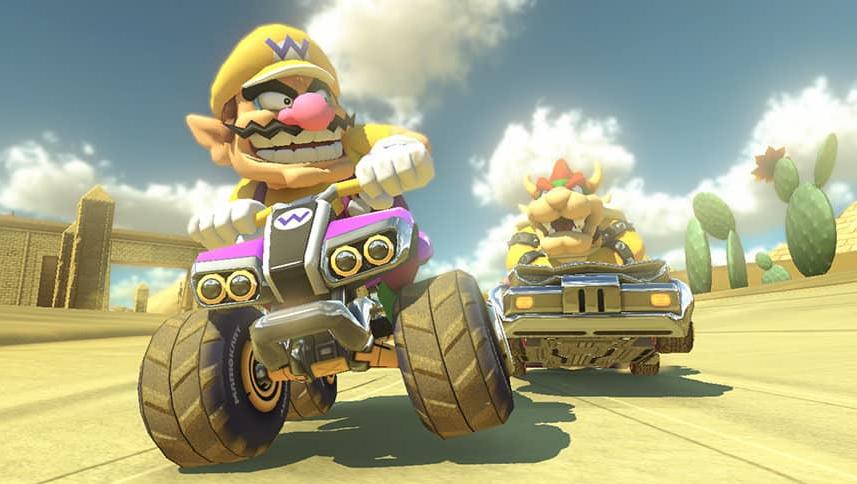
Finally, someone used Pareto’s economic theories to find the best Mario Kart 8 racer
Who hasn’t spent sleepless nights pondering what would happen if we applied the theories of Vilfredo Pareto, the early 20th-century Italian economist, to Mario, the Mushroom Kingdom’s Italian high-jump champion and part-time elephant cosplayer? Data scientist Antoine Mayerowitz, PhD, tackled that age-old question.

Finally, someone used Pareto’s economic theories to find the best Mario Kart 8 racer
Who hasn’t spent sleepless nights pondering what would happen if we applied the theories of Vilfredo Pareto, the early 20th-century Italian economist, to Mario, the Mushroom Kingdom’s Italian high-jump champion and part-time elephant cosplayer? Data scientist Antoine Mayerowitz, PhD, tackled that age-old question.

Prison Architect 2 is denied release until September 3
Double Eleven and publisher Paradox Interactive have delayed Prison Architect 2 by four moths to work on technical issues.

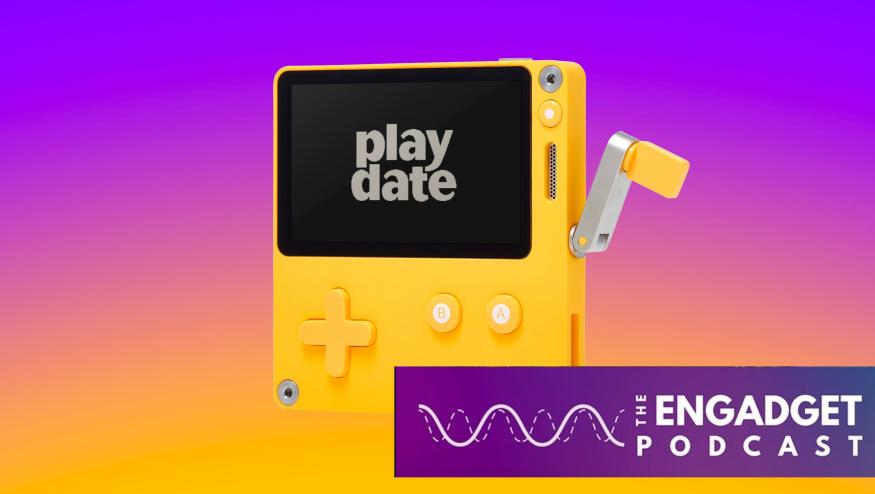
Engadget Podcast: PlayStation 5 Pro rumors and a look back at the Playdate
This week, Engadget Senior Editor Jessica Conditt joins Cherlynn and Devindra to chat about the PS5 Pro, as well as her piece on the PlayDate two years after its release.

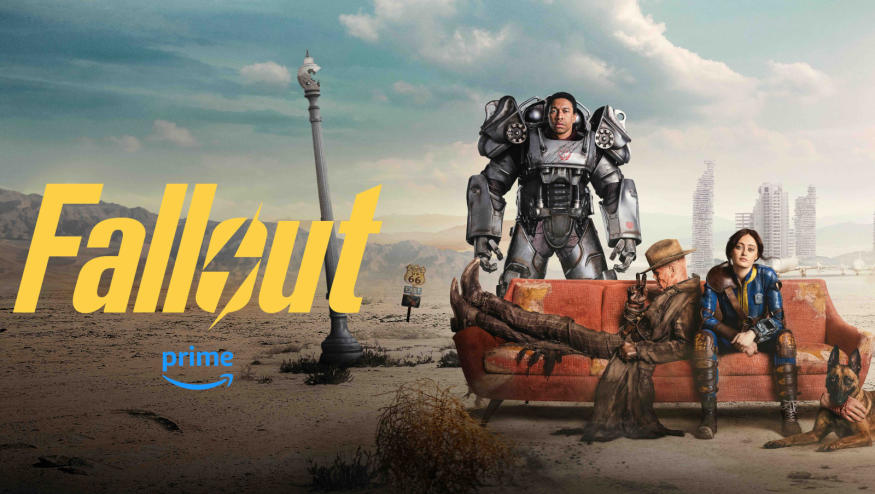
Fallout has already scored a green light for a second season
Amazon has renewed the hit show for a second season.

Best Gaming Hardware

The best PS5 games for 2024: Top PlayStation titles to play right now
Here are the best games you can get for the PlayStation 5 right now, as chosen by Engadget editors.


The 5 best mechanical keyboards for 2024
Here's everything you need to know before buying a mechanical keyboard, plus the best mechanical keyboards you can get right now.


The best SSDs for PS5 in 2024
If you need more space to store games on your PS5, these are the best drives you can get.
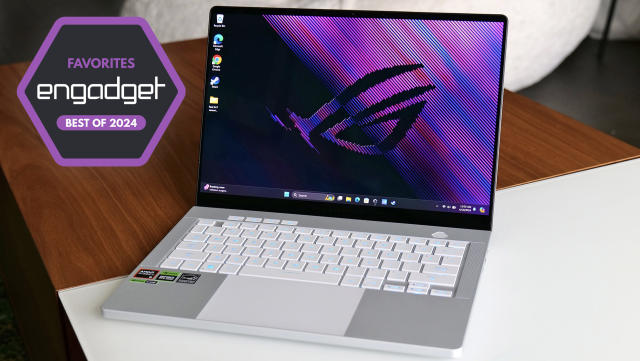
The best gaming laptops for 2024
There's never been a better time to buy a gaming laptop. These are our top picks that we've tested and reviewed that will fit all kinds of use cases and budgets.
Latest

Finally, someone used Pareto’s economic theories to find the best Mario Kart 8 racer
Who hasn’t spent sleepless nights pondering what would happen if we applied the theories of Vilfredo Pareto, the early 20th-century Italian economist, to Mario, the Mushroom Kingdom’s Italian high-jump champion and part-time elephant cosplayer? Data scientist Antoine Mayerowitz, PhD, tackled that age-old question.

Prison Architect 2 is denied release until September 3
Double Eleven and publisher Paradox Interactive have delayed Prison Architect 2 by four moths to work on technical issues.

Engadget Podcast: PlayStation 5 Pro rumors and a look back at the Playdate
This week, Engadget Senior Editor Jessica Conditt joins Cherlynn and Devindra to chat about the PS5 Pro, as well as her piece on the PlayDate two years after its release.
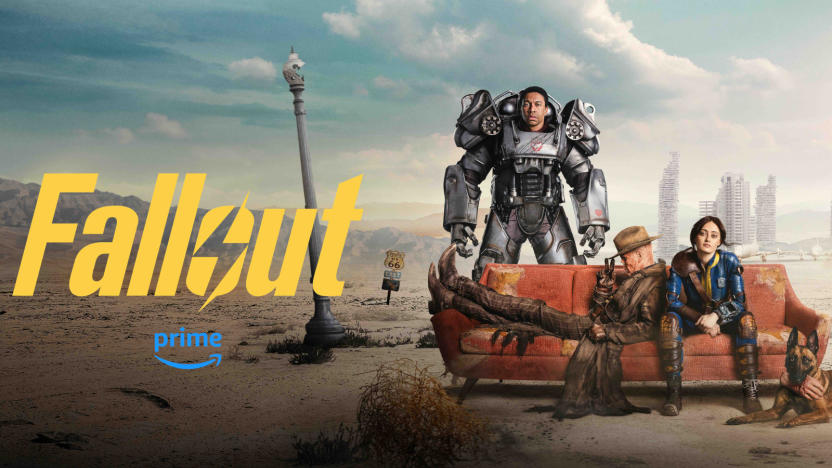
Fallout has already scored a green light for a second season
Amazon has renewed the hit show for a second season.
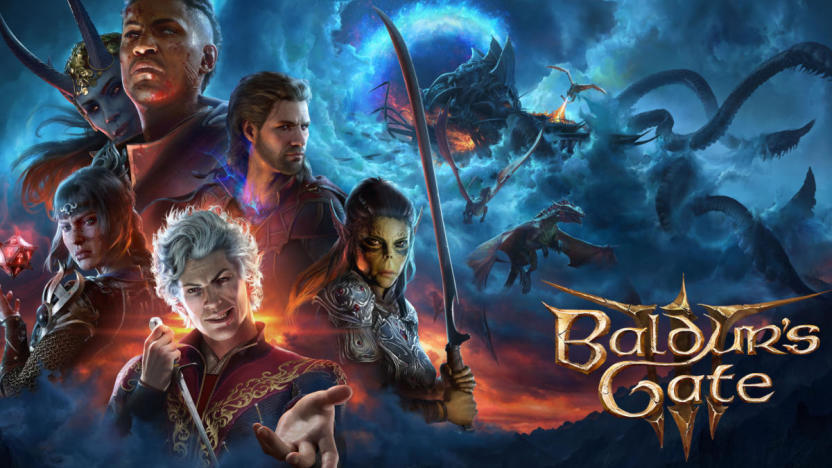
Baldur's Gate 3 developer confirms it won't make the sequel
The developer behind the popular, award-winning and slightly bawdy Baldur's Gate 3 may not be doing a sequel, but it does have other irons in the fire.

The best PS5 games for 2024: Top PlayStation titles to play right now
Here are the best games you can get for the PlayStation 5 right now, as chosen by Engadget editors.

Blizzard takes aim at Overwatch 2 console cheaters
Blizzard is targeting Overwatch 2 cheaters who use a keyboard and mouse on consoles to gain an advantage over controller users.

It took 20 years for Children of the Sun to become an overnight success
Though it feels like Children of the Sun popped into existence over the span of two months, it took Rother a lifetime to get here.

Razer's Kishi Ultra gaming controller works with damn near everything, including some foldables
Razer just released the Kishi Ultra mobile gaming controller. It works with some foldable phones, in addition to Android devices, iPhones and iPads.

Cities: Skylines 2's embarrassed developers are giving away beachfront property for free
Cities: Skylines 2 developer Colossal Order is unlisting and refunding purchases of its controversial Beach Properties asset pack less than a month after its release.
 9110091100
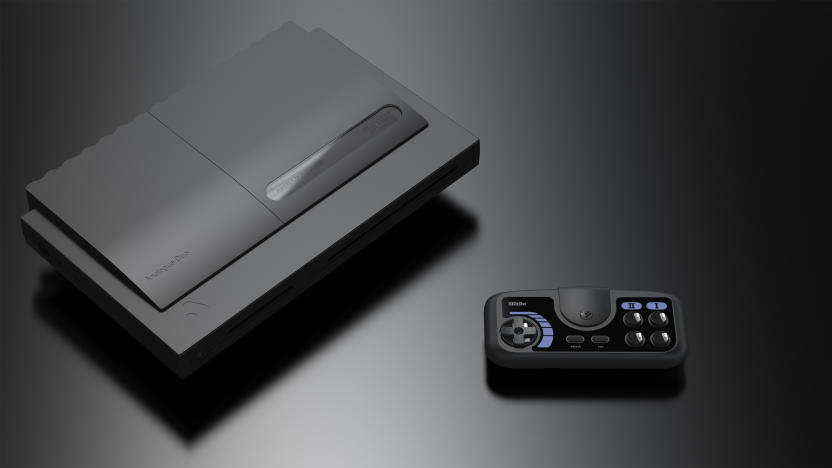
Analogue Duo review: A second chance for an underappreciated console
Analogue's most expensive console in years and its first system with a CD-ROM drive is the ultimate ode to a forgotten gem. It's not quite perfect, but it's a great addition to any serious game collector's arsenal.

The 5 best mechanical keyboards for 2024
Here's everything you need to know before buying a mechanical keyboard, plus the best mechanical keyboards you can get right now.
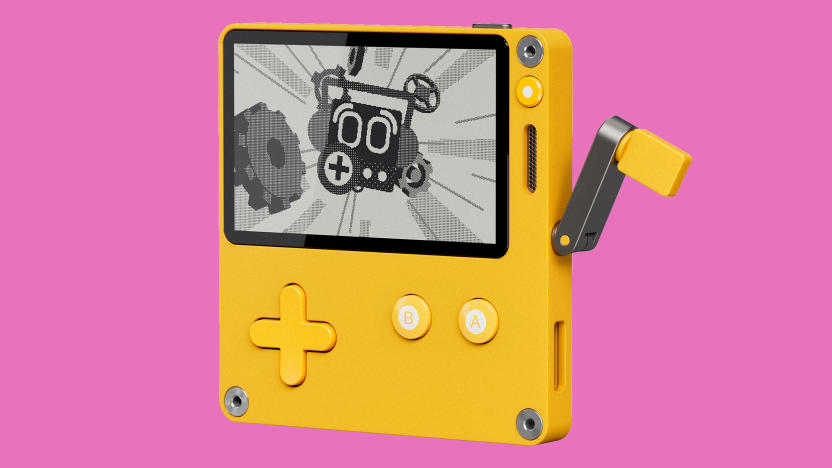
Playdate developers have made more than $500K in Catalog sales
Panic is celebrating Playdate's second birthday this month, and the party favors include some piping-hot statistics about Catalog game sales.

Supergiant shows off Hades II's gameplay and new god designs
Supergiant Games just treated Hades fans to an extensive look at the game's upcoming sequel.

Twitch is giving all users access to its discovery feed later this month
The feed will first appear as a new tab in the mobile app.

Nintendo emulator Delta hits the iOS App Store, no sideloading required
Delta (a successor to GBA4iOS) is one of the best-known Nintendo emulators on iOS. Now, you can download Delta for free from the App Store without having to sideload it.
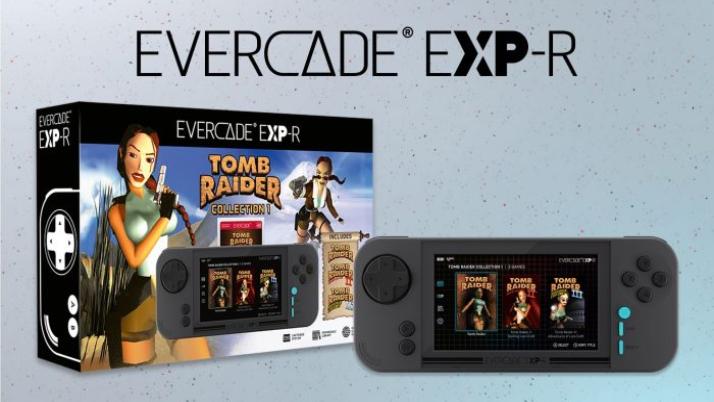
Cheaper Evercade retro consoles will arrive in July
Cheaper versions of Evercade's retro game consoles are on the way. The first three Tomb Raider games will be bundled with the EXP-R and VS-R.

Lorelei and the Laser Eyes, by Sayonara Wild Hearts devs, comes out on May 16
Lorelei and the Laser Eyes, by Sayonara Wild Hearts devs, releases on May 19. It’ll be available for the Switch and PC via Steam.

Yars Rising revives a 40-year-old Atari game as a modern metroidvania
Yars Rising is a forthcoming Metroidvania with an interesting pedigree. It’s a sequel to an Atari 2600 game from 1982.

Shadow platformer Schim is coming to PC and consoles on July 18
Schim is an indie platformer that sees you playing as a creature that moves by jumping between shadows. It's coming to PC and consoles on July 18.


